
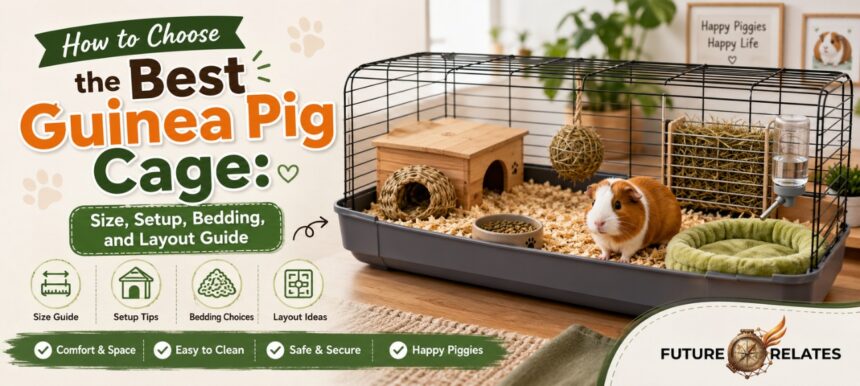

Picking the right guinea pig cage is one of the biggest decisions you’ll make as a piggy parent. Get it right, and your cavy gets room to run, hide, and popcorn to their heart’s content. Get it wrong, and you’re looking at stress, odor, and even health trouble down the line. This guide walks you through everything, plain and simple.
- Why Your Guinea Pig Cage Matters More Than You Think
- What Size Cage Does a Guinea Pig Need?
- What Makes a Good Guinea Pig Cage?
- Best Types of Guinea Pig Cages
- C&C Guinea Pig Cages Explained
- What Is the Best Layout for a Guinea Pig Cage?
- What to Put in a Guinea Pig Cage
- Best Bedding for a Guinea Pig Cage
- How to Set Up a Guinea Pig Cage the Right Way
- Where Should You Place a Guinea Pig Cage in Your Home?
- How Often Should You Clean a Guinea Pig Cage?
- Common Guinea Pig Cage Mistakes to Avoid
- Best Guinea Pig Cage Features to Look for Before You Buy
- FAQ About Guinea Pig Cages
- Final Thoughts: Choosing the Best Guinea Pig Cage for Long-Term Health and Happiness
Why Your Guinea Pig Cage Matters More Than You Think
Here’s the thing: guinea pigs are active little herd animals. They aren’t happy sitting in a tiny box. A good Guinea pig cage gives them space to move, a spot to sleep, and a clean area to eat. Cramped housing leads to boredom, obesity, and even depression. What’s interesting is that most cages sold in pet stores are actually way too small for a healthy cavy.
|
Why It Matters |
Quick Takeaway |
|---|---|
|
Space |
More floor room means happier, healthier pigs |
|
Health |
Poor cages cause bumblefoot and respiratory issues |
|
Behavior |
Room to roam reduces stress and boredom |
|
Bonding |
Bigger space suits bonded pairs better |
What Size Cage Does a Guinea Pig Need?
Bigger is always better with guinea pigs. They need horizontal floor space far more than height. To be honest, this is the number one thing new owners underestimate.
|
Number of Pigs |
Minimum Space |
Recommended |
|---|---|---|
|
One guinea pig |
7.5 sq ft |
30 x 36 inches |
|
Two guinea pigs |
10.5 sq ft |
30 x 50 inches |
|
Three or four |
13 sq ft |
30 x 76 inches |
Minimum cage size for one guinea pig
A single guinea pig needs at least 7.5 square feet of floor space. That’s roughly a 30 x 36 inch layout. Anything smaller and your pig simply won’t get enough exercise.
Best cage size for two guinea pigs
Two bonded pigs do best with 10.5 square feet or more, around 30 x 50 inches. Extra room helps prevent squabbles, especially with a boar pair.
How much space three or four guinea pigs need
For a bigger group, aim for 13 square feet and up, like a 30 x 76 inch setup. More pigs means more personal space to keep the peace.
What Makes a Good Guinea Pig Cage?
Not all enclosures are created equal. A quality guinea pig cage checks a few key boxes.
|
Feature |
Why It Helps |
|---|---|
|
Floor space |
Room to run and popcorn |
|
Solid flooring |
Protects delicate feet |
|
Ventilation |
Keeps sensitive lungs healthy |
Floor space vs vertical space
Guinea pigs can’t climb like rats. Tall multi-level towers waste space. Wide, open floor plans win every time.
Why solid flooring is essential
Wire floors cause bumblefoot (pododermatitis), a painful foot condition. Guinea pigs have delicate feet, so a solid base is a must.
Why ventilation and airflow matter
Cavies have sensitive airways. Poor airflow lets ammonia build up, which can trigger respiratory disease. Open-top designs keep air moving.
Best Types of Guinea Pig Cages
There’s a cage type for every budget and skill level.
|
Cage Type |
Best For |
|---|---|
|
C&C cage |
Custom, roomy setups |
|
Plastic-bottom + wire top |
Beginners |
|
Open-top pens |
Flexible floor plans |
|
Aquariums/hutches |
Not recommended |
C&C cages
Cubes and coroplast cages are the community favorite. They’re modular, expandable, and easy to clean.
Plastic-bottom cages with wire tops
A deep plastic base with a wire top works as a starter cage. Just make sure the floor is solid, not wire.
Open-top pens and modular habitats
Playpens and modular habitats give you an open layout you can rearrange anytime.
Why aquariums, rabbit hutches, and small pet store cages fall short
Aquariums trap heat and moisture with poor ventilation. Rabbit hutches and outdoor cages expose pigs to drafts and heat stroke. Small pet store cages are simply too cramped.
C&C Guinea Pig Cages Explained
The C&C guinea pig cage is worth its own section because so many owners swear by it.
|
Element |
Detail |
|---|---|
|
Cubes |
Wire grids, 9×9 holes |
|
Coroplast |
Corrugated plastic base |
|
Connectors |
Grids joined with clips or cable ties |
What cubes and coroplast means
“C&C” stands for cubes (the wire grids) and coroplast (correx, the plastic base). You build the size you want.
Why guinea pig owners love C&C cages
They’re customizable, budget-friendly, and roomy. Want more space next month? Just add a grid.
Grid size, connectors, and safety basics
Use 9×9 hole grids so pigs can’t get their heads stuck. Secure panels with sturdy connectors or cable ties, and check for sharp edges.
What Is the Best Layout for a Guinea Pig Cage?
A smart layout mimics how pigs naturally live: separate spots for sleeping, eating, and bathroom breaks.
|
Zone |
Purpose |
|---|---|
|
Sleeping area |
Cozy hideouts |
|
Feeding zone |
Hay and food station |
|
Bathroom corner |
Litter habits |
|
Open center |
Zoomie space |
Sleeping area
Tuck a hidey house or hut in one corner. Pigs feel safe with a place to retreat.
Feeding zone
Set up a hay rack, food bowl, and water bottle together. This becomes their little kitchen.
Bathroom corner
Pigs often pee in one spot. Place a litter box there to catch mess.
Open play area for zoomies and popcorning
Keep the center clear so your pigs can sprint and popcorn. That open middle is pure joy for them.
What to Put in a Guinea Pig Cage
Once the cage is set, it’s time to fill it with the good stuff.
|
Item |
Why |
|---|---|
|
Hideouts |
Reduce stress |
|
Hay rack |
Steady hay supply |
|
Chew toys |
Healthy teeth |
|
Litter box |
Cleaner cage |
Hideouts and tunnels
Every pig needs a place to hide. Tunnels double as toys and cozy escapes.
Hay rack, food bowl, and water bottle
Hay should always be available since it keeps their molars in check. A sturdy bowl and drip-free bottle round things out.
Chew toys and enrichment
Guinea pig teeth grow constantly. Chew toys and enrichment keep them busy and boredom away.
Litter box and kitchen area options
A litter box in the kitchen area makes spot cleaning quick and keeps odor down.
Best Bedding for a Guinea Pig Cage
Bedding keeps things dry, soft, and odor-free. Your choice matters a lot.
|
Bedding |
Notes |
|---|---|
|
Fleece liners |
Washable, reusable |
|
Paper bedding |
Absorbent, soft |
|
Aspen |
Safe wood option |
|
Kiln-dried pine |
Low-dust choice |
Fleece liners
Anti-pill fleece over an absorbent layer is popular. It’s soft, washable, and low-maintenance.
Paper bedding
Paper-based bedding is absorbent and easy on sensitive lungs. Lay it 1 to 2 inches deep.
Aspen and kiln-dried pine
Both are safe when dry and low in dust. Spread 2 to 3 inches for good absorption.
Bedding types to avoid
Skip cedar bedding and aromatic pine shavings. Their oils harm delicate airways. Never use damp or wet bedding either.
How to Set Up a Guinea Pig Cage the Right Way
Setting up isn’t complicated once you know the flow.
|
Step |
Goal |
|---|---|
|
Zones |
Sleep, eat, potty separated |
|
Open floor |
Room to exercise |
|
Easy access |
Simple cleaning |
Creating separate zones
Give each activity its own corner. Pigs like knowing where things belong.
Leaving room to exercise
Don’t overcrowd the cage with stuff. Keep the middle open for floor time.
Making the setup easy to clean
Use a removable tray or fleece liner so weekly cleaning takes minutes, not hours.
Where Should You Place a Guinea Pig Cage in Your Home?
Location shapes how comfortable and social your pigs feel.
|
Factor |
Ideal |
|---|---|
|
Temperature |
65–75°F |
|
Room |
Family or living room |
|
Avoid |
Drafts, direct sun |
Ideal temperature and humidity
Keep the room between 65 and 75°F (about 18 to 24°C). Above 80°F, pigs risk overheating.
Best rooms for social interaction
A family room or living room lets pigs feel part of the household. They’re social animals, after all.
Areas to avoid
Steer clear of drafty spots, direct sunlight, humid bathrooms, and loud rooms.
How Often Should You Clean a Guinea Pig Cage?
A clean guinea pig cage means healthier pigs and a fresher home.
|
Task |
Frequency |
|---|---|
|
Spot clean |
Daily |
|
Deep clean |
Weekly |
|
Odor check |
Ongoing |
Daily spot cleaning
Scoop out wet bedding and leftover food each day. It takes five minutes.
Weekly deep cleaning
Once a week, empty the cage, wash the base, and swap bedding or fleece.
How to control odor and moisture
Keep bedding dry, ventilate well, and use a litter box. This cuts ammonia buildup and keeps smells low.
Common Guinea Pig Cage Mistakes to Avoid
Even loving owners slip up. Here are the big ones.
|
Mistake |
Fix |
|---|---|
|
Too small |
Follow size minimums |
|
Wire floors |
Use solid flooring |
|
Outdoor housing |
Keep pigs indoors |
|
Poor bedding |
Choose safe, dry options |
Choosing a cage that is too small
Store cages often fall short. Always meet the 7.5 sq ft minimum.
Using wire floors
Wire floors cause bumblefoot. Solid flooring is non-negotiable.
Housing guinea pigs outdoors
Outdoor cages expose pigs to predators, heat, and cold. Indoor housing is safer.
Poor bedding and poor ventilation
Damp bedding and stale air lead to urine scald and respiratory infections.
Best Guinea Pig Cage Features to Look for Before You Buy
Shopping soon? Keep this buyer’s checklist handy.
|
Feature |
Benefit |
|---|---|
|
Easy-clean |
Saves time |
|
Expandable |
Grows with your herd |
|
Pet-safe materials |
Non-toxic, durable |
|
Secure build |
No escapes or injuries |
Easy-clean design
Look for a removable tray or washable liner.
Expandable layout
Modular cages let you add space later.
Durable pet-safe materials
Chew-proof, non-toxic materials last longer and keep pigs safe.
Safe access points and secure construction
Smooth edges and sturdy connectors prevent injuries and escapes.
FAQ About Guinea Pig Cages
Can guinea pigs live in a rabbit cage?
Not ideally. Most rabbit cages have wire floors and cramped layouts that don’t suit guinea pigs.
Do guinea pigs need a lid on their cage?
Usually no, since pigs can’t climb. A lid only helps if you have curious cats or dogs at home.
Are C&C cages best for guinea pigs?
For many owners, yes. C&C cages are roomy, customizable, and easy to expand.
What is the best bedding for a guinea pig cage?
Fleece liners, paper bedding, aspen, and kiln-dried pine are all solid picks. Avoid cedar.
How big should a cage be for two guinea pigs?
Aim for at least 10.5 square feet, roughly 30 x 50 inches.
Final Thoughts: Choosing the Best Guinea Pig Cage for Long-Term Health and Happiness
At the end of the day, the best guinea pig cage is spacious, well-ventilated, and easy to keep clean. Give your pigs solid flooring, cozy hideouts, plenty of hay, and open room to zoom around. Whether you go with a C&C setup or a roomy store cage, remember the golden rule: bigger is always better. Do that, and your piggies will thank you with happy wheeks and plenty of popcorning for years to come.
For More Information Visit: https://futurerelates.co.uk/