
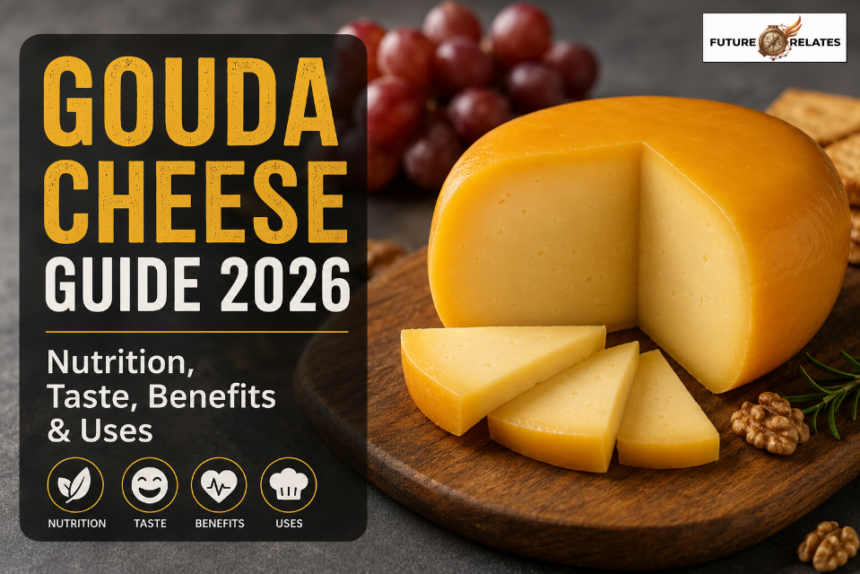

Gouda cheese is one of the most popular and widely enjoyed cheeses in the world. Known for its smooth texture, rich flavor, and versatility, this Dutch cheese has been a favorite among cheese lovers for centuries. Whether you enjoy it on a sandwich, in a cheese board, or melted into recipes, it offers a unique combination of taste and nutrition.
In this guide, we will explore the history, flavor profile, nutritional value, health benefits, and best ways to enjoy this famous cheese.
What Is Gouda Cheese?
Gouda cheese originated in the Netherlands and is named after the city of Gouda, where it was traditionally traded. It is made from cow’s milk and can be enjoyed at different stages of aging.
Young varieties are mild, creamy, and slightly sweet, while aged versions develop a deeper flavor with nutty and caramel-like notes. The aging process can range from a few weeks to several years, creating different textures and tastes.
Today, this cheese is produced worldwide, although authentic Dutch versions remain highly valued.
The History of Gouda Cheese
The origins of Gouda date back hundreds of years. Historical records suggest that Dutch cheesemakers were producing similar cheeses as early as the 12th century.
The city of Gouda became an important trading center where farmers sold their cheese to merchants. Over time, the product gained international recognition due to its quality and distinctive flavor.
Modern production methods have improved efficiency while preserving the traditional characteristics that make it so popular.
How Gouda Cheese Is Made
The production process involves several steps:
Milk Preparation
Fresh cow’s milk is heated and combined with cultures and rennet. These ingredients help the milk form curds.
Curd Formation
The curds are separated from the liquid whey. They are then washed with water, which helps create the cheese’s characteristic mild sweetness.
Pressing and Shaping
The curds are pressed into round molds to remove excess moisture and form the familiar wheel shape.
Aging Process
The cheese is aged for varying periods. Younger varieties are softer, while aged versions become firmer and more flavorful.
Taste and Texture
One reason Gouda cheese is so widely appreciated is its diverse flavor profile.
Young Gouda
Young cheese is creamy, mild, and slightly sweet. It melts easily and works well in sandwiches and recipes.
Mature Gouda
As it ages, the flavor becomes richer and more complex. Notes of nuts, butter, and caramel begin to develop.
Aged Gouda
Older varieties have a firmer texture and a bold flavor. Tiny crunchy crystals often form during aging, adding a pleasant texture.
Nutritional Value
This cheese provides several important nutrients that support overall health.
Key Nutrients
A typical serving contains:
- Protein
- Calcium
- Vitamin B12
- Phosphorus
- Zinc
- Healthy fats
These nutrients contribute to bone health, muscle function, and energy production.
Health Benefits
When consumed in moderation, Gouda cheese can be part of a balanced diet.
Supports Bone Health
Calcium and phosphorus help maintain strong bones and teeth.
Provides High-Quality Protein
Protein supports muscle repair, growth, and overall body function.
Rich in Essential Vitamins
Vitamin B12 helps maintain healthy nerves and supports red blood cell production.
May Promote Satiety
The combination of protein and fat can help you feel full longer, reducing unnecessary snacking.
Popular Types of Gouda Cheese
There are several varieties available today.
Young Gouda
Aged for a few weeks to a few months. Mild and creamy.
Smoked Gouda
This version is naturally smoked, creating a rich and slightly smoky flavor.
Mature Gouda
Aged for six months or more, offering a stronger taste.
Extra-Aged Gouda
Aged for several years, producing deep caramelized flavors and a firm texture.
Best Ways to Eat Gouda Cheese
One of the reasons this cheese remains popular is its versatility.
Cheese Boards
Pair it with:
- Grapes
- Apples
- Pears
- Crackers
- Nuts
Sandwiches
Its smooth melting quality makes it ideal for grilled cheese and gourmet sandwiches.
Cooking
It can be used in:
- Pasta dishes
- Soups
- Casseroles
- Burgers
- Baked recipes
Snacks
Enjoy slices on their own as a convenient and satisfying snack.
How to Store Gouda Cheese
Proper storage helps maintain freshness and flavor.
Refrigeration Tips
Wrap the cheese in wax paper or cheese paper before placing it in a container.
Avoid Excess Moisture
Too much moisture may affect texture and quality.
Check Expiration Dates
Always inspect the cheese for unusual odors or mold growth before consumption.
Gouda Cheese vs. Cheddar Cheese
Many people compare Gouda with cheddar.
| Feature | Gouda | Cheddar |
|---|---|---|
| Flavor | Mild to nutty | Sharp to bold |
| Texture | Smooth and creamy | Firm and crumbly |
| Aging | Weeks to years | Months to years |
| Melting Quality | Excellent | Very good |
Both are excellent choices, but Gouda is often preferred for its creamy texture and subtle sweetness.
Why Is Gouda Cheese So Popular?
Its popularity comes from several factors:
- Pleasant flavor
- Versatility in recipes
- Good melting properties
- Nutritional benefits
- Wide availability
Whether young or aged, it appeals to a broad range of tastes.
Conclusion
Gouda cheese has earned its reputation as one of the world’s most beloved cheeses. Its rich history, delicious flavor, nutritional value, and versatility make it a staple in kitchens around the globe. From mild and creamy young varieties to deeply flavorful aged versions, there is a type suitable for nearly every preference.
If you enjoy exploring different cheeses, adding Gouda to your meals is an excellent way to experience a classic Dutch favorite that continues to delight food lovers everywhere.
FAQs
What does Gouda cheese taste like?
Young Gouda has a mild and slightly sweet flavor, while aged varieties develop nutty, caramel-like notes.
Is Gouda cheese healthy?
Yes, it contains protein, calcium, and several essential vitamins that can support a balanced diet when eaten in moderation.
Does Gouda cheese melt well?
Yes, it melts smoothly and is commonly used in sandwiches, pasta dishes, and baked recipes.
What is the difference between young and aged Gouda?
Young varieties are softer and milder, while aged versions are firmer with richer, more complex flavors.
Can Gouda cheese be eaten by itself?
Absolutely. It is often enjoyed as a snack or served on cheese boards with fruits and crackers.